
The Role of Gluten in Bread Making: Why It’s Essential
What is Gluten?
Gluten is a protein composite found in wheat flour, primarily composed of gliadin and glutenin. When flour is mixed with water, these proteins form a network that gives dough its elastic and stretchy properties. This gluten network traps gases released during fermentation, enabling the dough to rise and maintain its shape.
Why is Gluten Important in Bread?
- Structure and Elasticity: The gluten network forms the backbone of the bread's structure. It provides the dough with the necessary strength to hold its shape and retain gases, resulting in a well-risen loaf.
- Texture: Gluten determines the crumb structure of bread. A strong gluten network produces a chewy and airy texture, while weaker gluten results in a denser, cake-like texture.
- Extensibility: Gluten allows the dough to stretch without tearing, which is essential for shaping and handling. It ensures the dough can expand uniformly during proofing and baking.
- Fermentation Gas Retention: During fermentation, yeast produces carbon dioxide. Gluten traps these gases within the dough, creating the characteristic airy structure of bread.
The Balance of Gluten Development
While gluten is crucial, overworking or underworking the dough can impact its quality. Proper gluten development depends on factors like flour type, hydration level, mixing time, and dough handling. Skilled bakers strike a balance to achieve the desired texture and structure.
The Impact of Machines on Gluten
In commercial bread production, machinery plays a key role in scaling, dividing, and shaping dough efficiently. However, the way dough is handled by machines can significantly affect gluten.
The Risk with Extruding Type Machine
Some bread-making machines, particularly those that use extruding type methods, apply high pressure (measured in PSI) to force dough through narrow openings. If the PSI is not monitored or set correctly, this process can destroy the gluten network. Excessive pressure tears the gluten strands, resulting in dough with poor elasticity and a compromised final product. Bread made from such dough may have uneven texture, reduced volume, and inferior overall quality.
Why Our Machines Are Different
At Lian Huat, we understand the importance of preserving the integrity of gluten during every stage of bread production. Unlike extruding type machines, our Dough Divider Rounder employs a push-fit method to fill dough into the pistons. This gentle approach ensures that the gluten structure remains intact, preserving the dough's elasticity and extensibility.
Benefits of Our Push-Fit Method:
- Gluten Preservation: No excessive tearing or weakening of gluten strands.
- Consistent Quality: Ensures uniform texture and volume in every loaf.
- Gentle Handling: Ideal for all dough types, including high-hydration and delicate doughs.
Conclusion
Gluten is the cornerstone of bread-making, defining the quality, texture, and structure of the final product. While machinery is indispensable in modern baking, the wrong approach can jeopardize the gluten network and, consequently, the bread's quality.
Our innovative Dough Divider Rounder is designed with bakers in mind, ensuring every batch meets the highest standards. If you are looking to enhance your production process while maintaining exceptional quality, we are here to help you achieve that goal. Reach out to learn more about our gentle, gluten-preserving machines.
Recent Posts
See All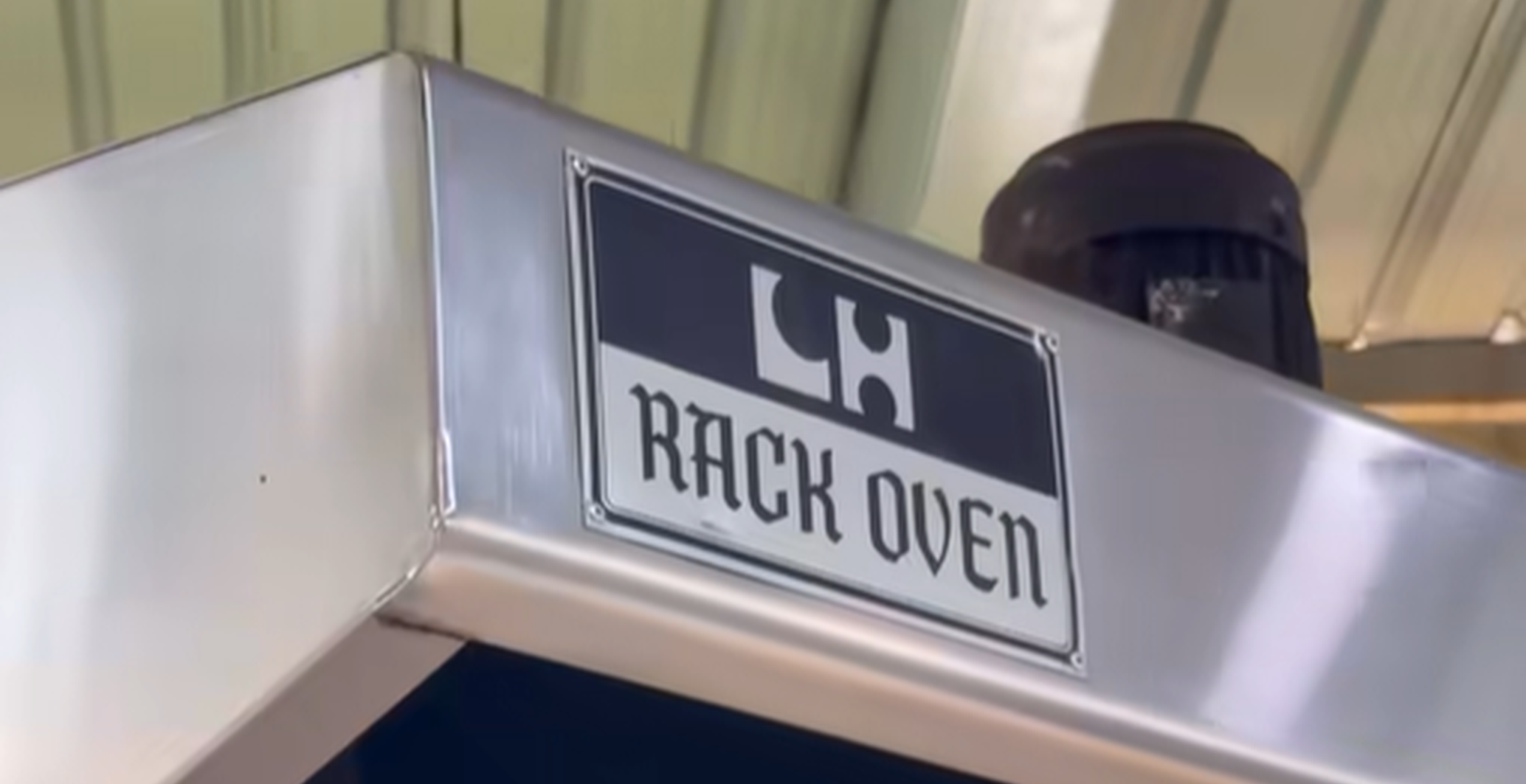
Henrick Low •
Oct 19, 2026 •
2 minutes read
Growing Across Generations: Tian Hup Seng's Bakery Journey with Lian Huat
Tian Hup Seng, established in 1977, purchased three Lian Huat Rack Ovens between 1992 and 2011. Discover the bakery's long-standing customer story.
Read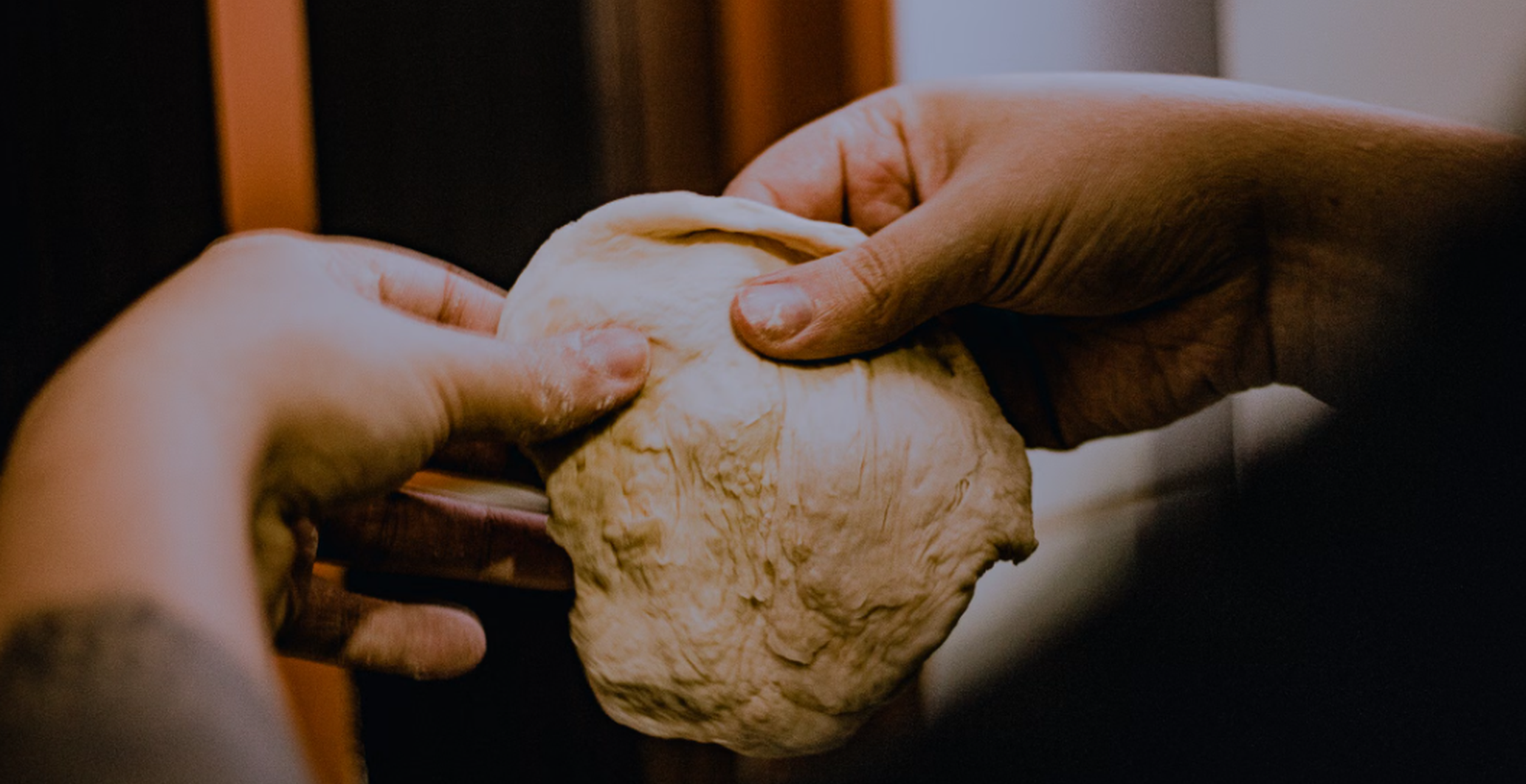
Henrick Low •
Oct 7, 2026 •
8 minutes read
Beyond Dough Hydration: How International Bakery Projects Shape Our Engineering Evaluation
How international bakery projects and servicing experience shape Lian Huat’s approach to evaluating dough characteristics and machinery requirements.
Read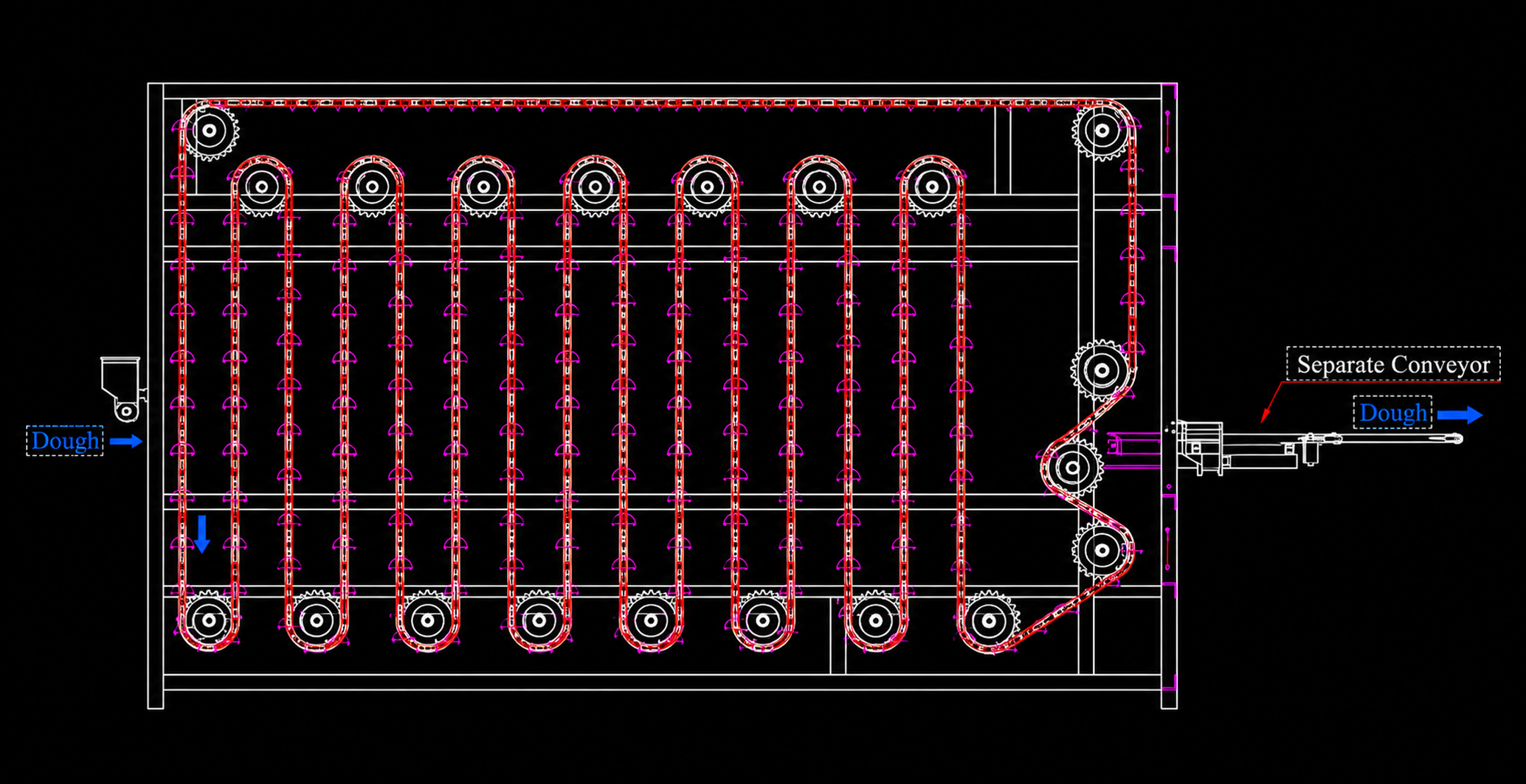
Henrick Low •
Sep 30, 2026 •
5 minutes read
Case Study: Designing a T-Shaped Intermediate Proofer for a Space-Constrained Bakery in Sri Lanka
A customized T-shaped intermediate proofer developed for a Sri Lankan bakery to automate proofing within limited installation space.
Read