
Three Key Trends in the Southeast Asia Bakery Market
In Southeast Asia, consumers are seeking bakery products that provide added value. There are three key trends that the bakery industry needs to stay ahead of: Localized Flavor Bakery Products, Halal Bakery Product, and Frozen Bakery Products.
Localised Flavours Bakery Products
According to FoodNavigator-Asia, more innovative flavor combinations with unique local twists are needed for bakery firms to tap into the vast potential of the APAC market. By mixing local flavors with different baked products, companies can meet the changing tastes of customers and stand out from the competition. This approach not only makes baked goods more appealing but also fosters a deeper connection with customers through regional food culture.
Growth Factor
- Consumers today are more interested in trying new twists on traditional flavors, making the experience exciting and fresh.
Halal Bakery Products
Malaysia has retained its number one spot in the Global Islamic Economy Indicator (GIEI) for the 10th consecutive year, with Saudi Arabia, Indonesia, and the United Arab Emirates (UAE) closely behind. According to ResearchAndMarket.com’s 2023 report, Muslims from the Asia-Pacific make up most of the global Muslim population and consume 90% of halal foods and beverages. The report also identifies halal confectionery, bakery, and related products as the fastest-growing segment, with a forecasted growth of 9%CAGR.
Growth Factor
- The rising Muslim population across the world is significantly contributing to the growth of the halal food market.
- The increasing demand for halal-certified food among Muslims is driven by the assurance of food safety and hygiene.
Frozen Bakery Products
Mordor Intelligence reported that the Asia-Pacific frozen bakery market is projected to record a CAGR of 8.6% during the forecast period (2022-2027). According to Renub Research, the frozen paratha market is expected to grow at a CAGR of 19.33% from 2022 to 2030, driven by changing lifestyles and busier schedules. Frozen parathas are gaining popularity due to their convenience, especially among nuclear families with working couples. The demand is rising in both domestic and international markets, fueled by their longer shelf life, health benefits, and ease of preparation. This trend is contributing to significant growth in the frozen food industry.
Growth Factors
- The changing lifestyle, with an increase in the number of working women and working couples, has driven the growth of the frozen food market.
- Rising demand for convenient food products.
- Minimal need for advanced cooking skills or culinary knowledge.
Reference:1. Pearly Neo (2023, December 31). Baking up brilliance: More focus on localised and unique flavours needed to tap enormous APAC bakery growth potential. https://www.foodnavigator-asia.com/Article/2023/12/31/more-focus-on-localised-and-unique-flavours-needed-to-tap-enormous-apac-bakery-growth-potential2. Asia-Pacific frozen bakery market size | Mordor Intelligence. (n.d.). https://www.mordorintelligence.com/industry-reports/asia-pacific-frozen-bakery-market
3. India frozen Paratha Market: projected 19.33% CAGR (2022-2030). (n.d.). https://www.renub.com/india-frozen-paratha-market-nd.php
4. Online, S. (2023, December 31). Malaysia retains top spot among Islamic economies. The Star. https://www.thestar.com.my/news/nation/2023/12/31/malaysia-retains-top-spot-among-islamic-economies
Recent Posts
See All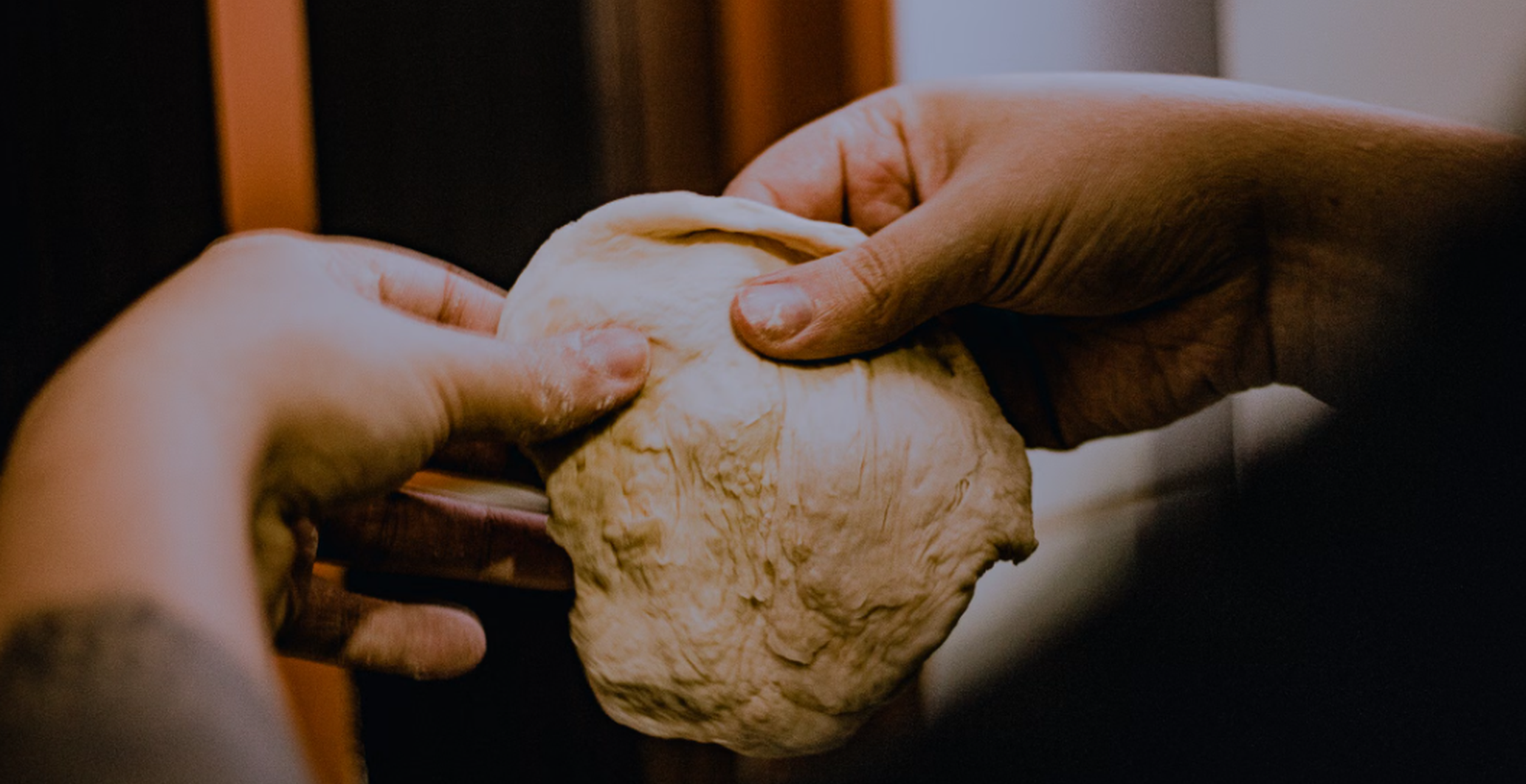
Henrick Low •
Oct 7, 2026 •
8 minutes read
Beyond Dough Hydration: How International Bakery Projects Shape Our Engineering Evaluation
How international bakery projects and servicing experience shape Lian Huat’s approach to evaluating dough characteristics and machinery requirements.
Read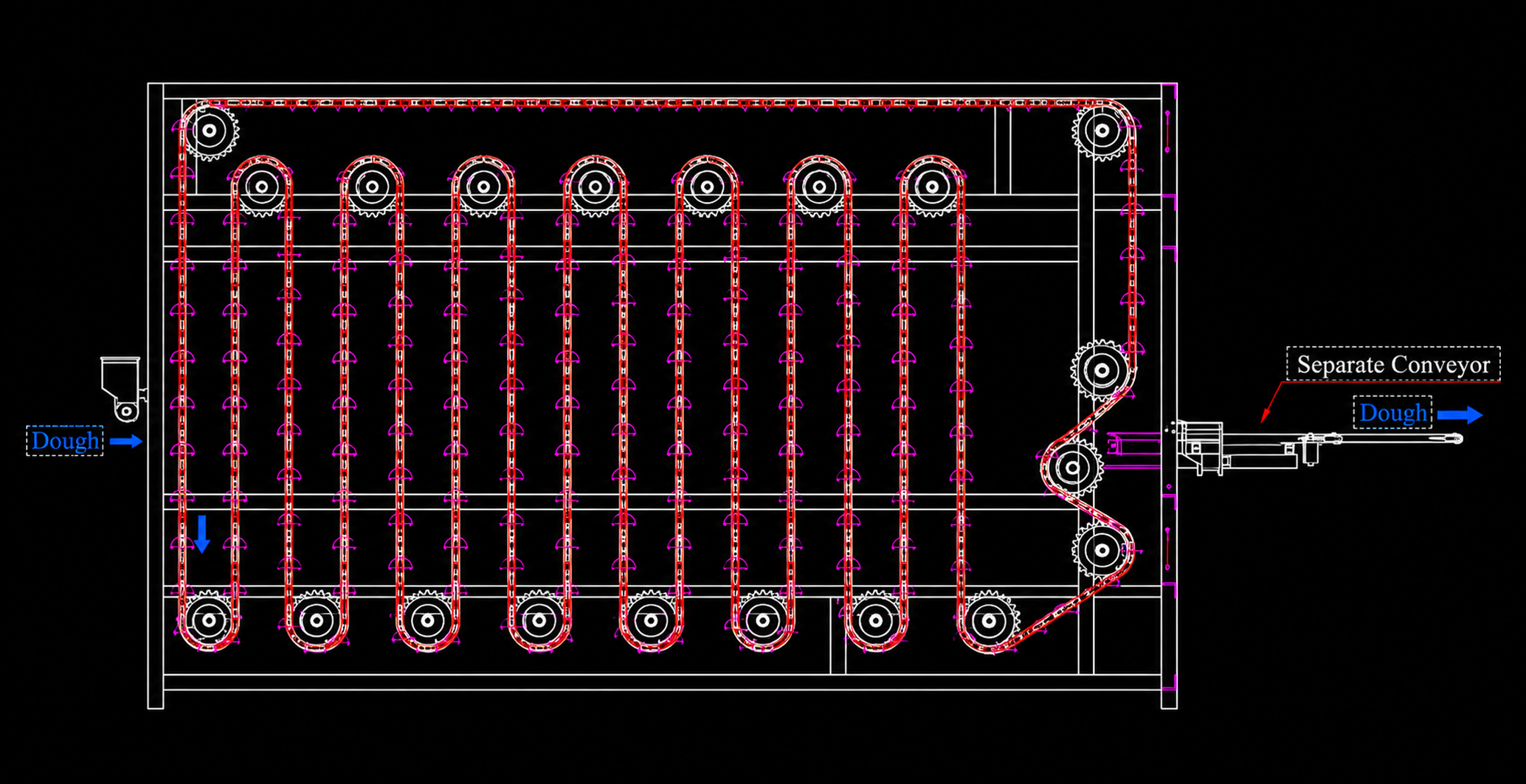
Henrick Low •
Sep 30, 2026 •
5 minutes read
Case Study: Designing a T-Shaped Intermediate Proofer for a Space-Constrained Bakery in Sri Lanka
A customized T-shaped intermediate proofer developed for a Sri Lankan bakery to automate proofing within limited installation space.
Read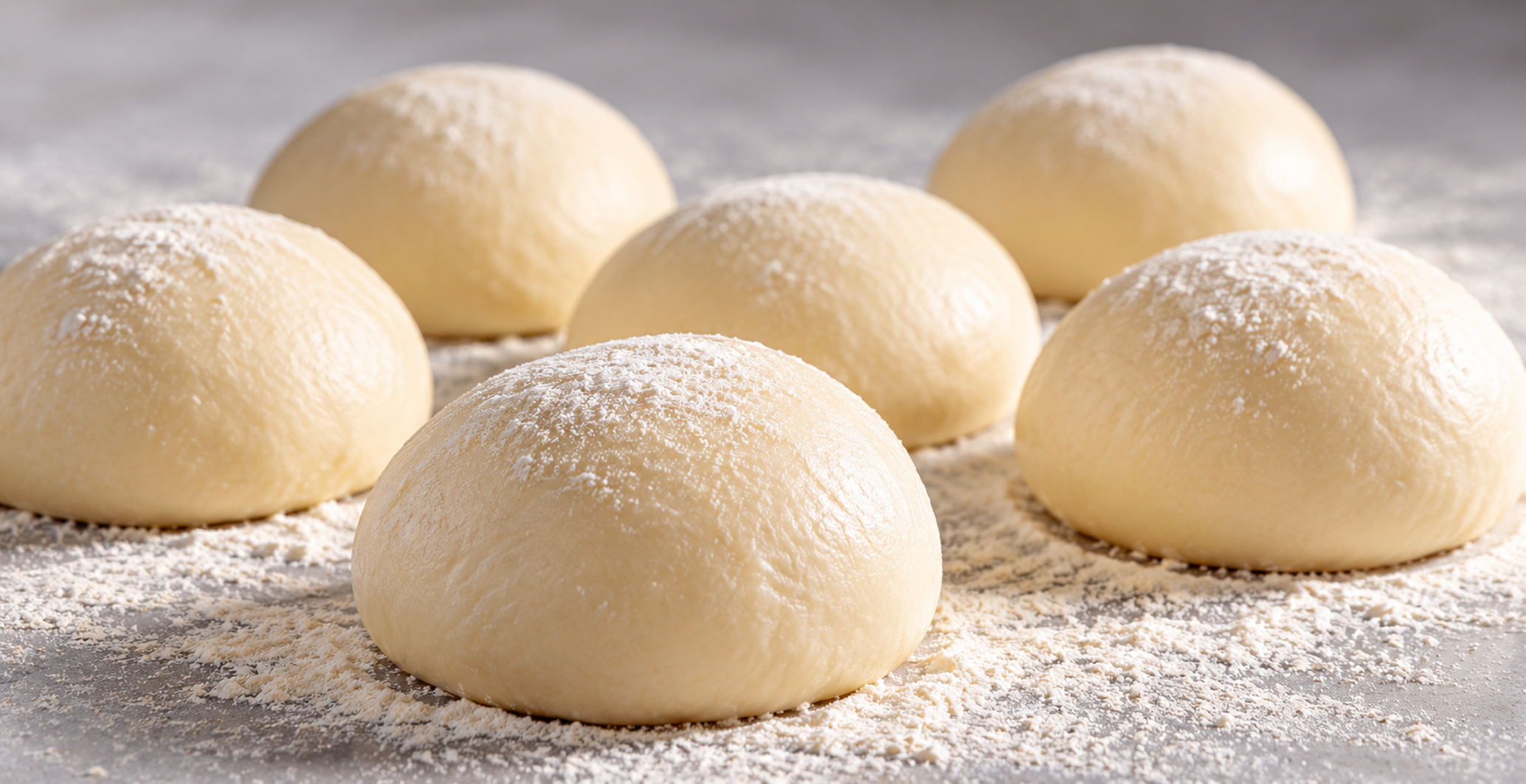
Henrick Low •
Sep 29, 2026 •
5 minutes read
Case Study: Customizing Bakery Machinery for Easier Operation and Flexible Servicing in Taiwan
A Taiwan case study on customizing a machine's control system around the customer's operational and servicing requirements.
Read