
Shortening vs. Margarine vs. Refined Oil: What Bakers Need to Know
In bread and bakery production, the choice of fat— Shortening, Margarine, or Refined Oil— significantly influences dough handling, texture, flavor, and overall product quality. Understanding the differences helps bakeries achieve consistent results, especially when scaling up for automation.
Below, we break down each ingredient, its characteristics, and when it is best used.
1. Shortening
Characteristics
Shortening is a semi-solid fat known for its high plasticity and stability. It has a neutral taste and smooth texture, allowing it to coat flour particles evenly. This reduces gluten formation and creates a tender, soft crumb structure.
Functional Benefits
-
Promotes a fine, even crumb
-
Enhances dough extensibility
-
Provides good volume and softness
-
Improves shelf life due to fat stability
When to Use Shortening
-
For soft buns, sweet buns, and highly tender bread
-
When you want maximum softness and volume
-
Suitable for high-speed production lines requiring consistent dough behavior
2. Margarine
Characteristics
Margarine is a blend of fats and water, often with milk solids and flavorings. It provides richness and aroma that shortening cannot replicate. Its plasticity is lower than shortening, and it contributes a buttery taste profile.
Functional Benefits
-
Adds buttery flavor and aroma
-
Improves crumb softness
-
Contributes to a richer mouthfeel
-
Helps retain moisture
When to Use Margarine
-
When flavor enhancement is desired
-
For enriched breads such as brioche-style buns
-
For bakeries wanting a premium or aromatic bread profile
3. Refined Oil
Characteristics
Refined oils (such as refined soybean, palm olein, canola, or sunflower oil) are liquid fats. They contribute tenderness but do not provide the structural support of solid fats. They disperse quickly in dough and soften the crumb effectively.
Functional Benefits
-
Produces a soft and moist crumb
-
Helps retain moisture
-
Easy to incorporate into dough
-
Cost-effective option for many bakeries
When to Use Refined Oil
-
For everyday bread formulas and mass-market buns
-
When cost efficiency is important
-
In doughs requiring a soft, moist texture without added flavor
4. Ideal Usage Levels (Important for Production Consistency)
Shortening, margarine, and refined oil each play an important role in bread making. Using them within an appropriate range helps maintain stable dough characteristics, which is especially beneficial for bakeries operating automated or high-volume production lines.
The following ranges represent commonly used guidelines for standard bread formulations, expressed as baker’s percentages. Actual formulations may vary depending on the specific bakery product and the food culture of the respective country.
-
Shortening: 2% – 8%
-
Margarine: 3%– 10%
-
Refined Oil: 2% – 6%
Maintaining a balanced fat content supports smoother dough handling during dividing, rounding, shaping, and forming, and helps promote consistent results across different production scales.
Further Reading
Readers interested in the science behind fat functionality, dough rheology, and bakery production may refer to:
- Cauvain, S.P. Technology of Breadmaking
- McGee, H. On Food and Cooking
- Pomeranz, Y. Wheat: Chemistry and Technology
- O’Brien, R.D. Fats and Oils: Formulating and Processing for Applications
- AACC International – Wheat Flour and Dough Analysis
Recent Posts
See All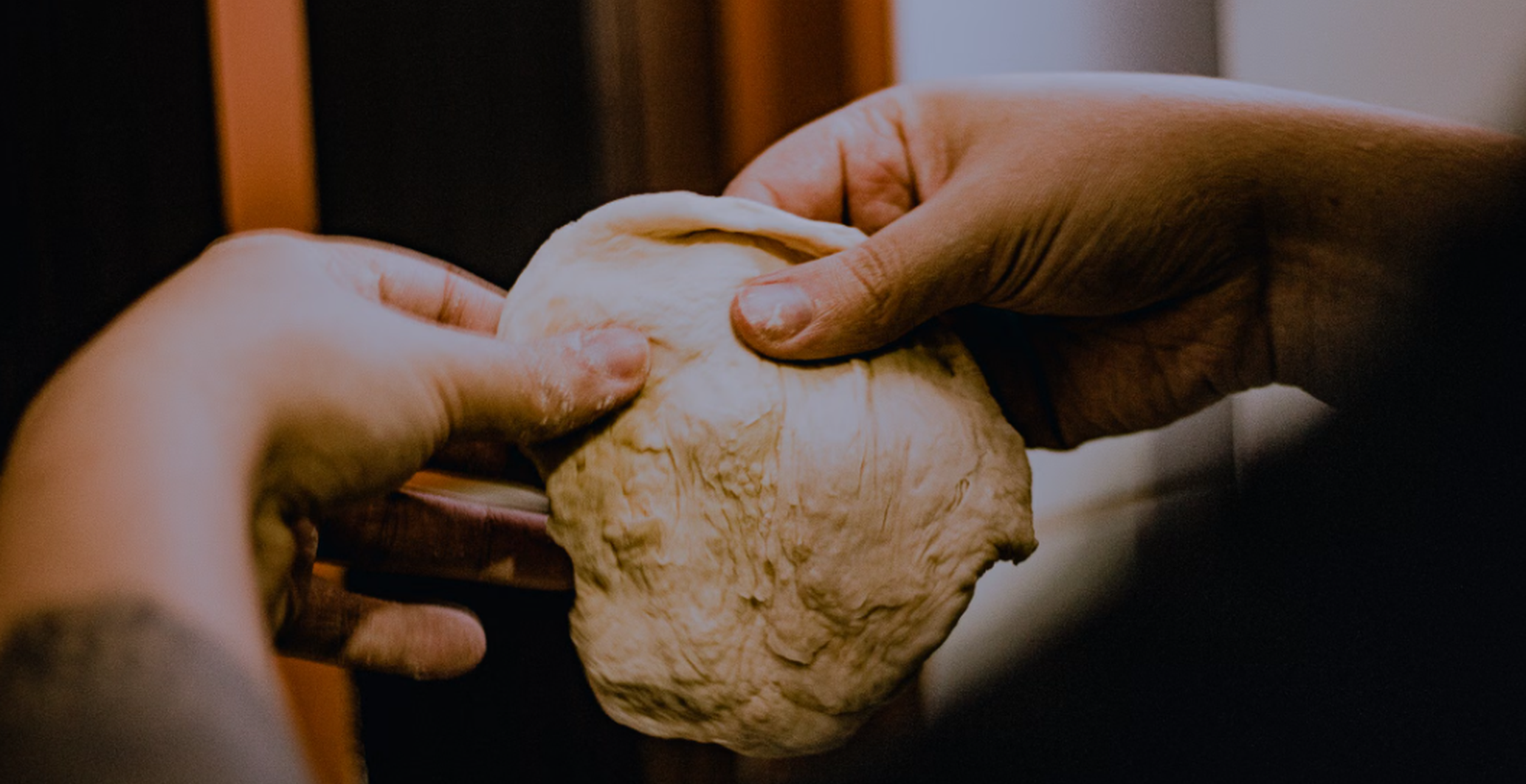
Henrick Low •
Oct 7, 2026 •
8 minutes read
Beyond Dough Hydration: How International Bakery Projects Shape Our Engineering Evaluation
How international bakery projects and servicing experience shape Lian Huat’s approach to evaluating dough characteristics and machinery requirements.
Read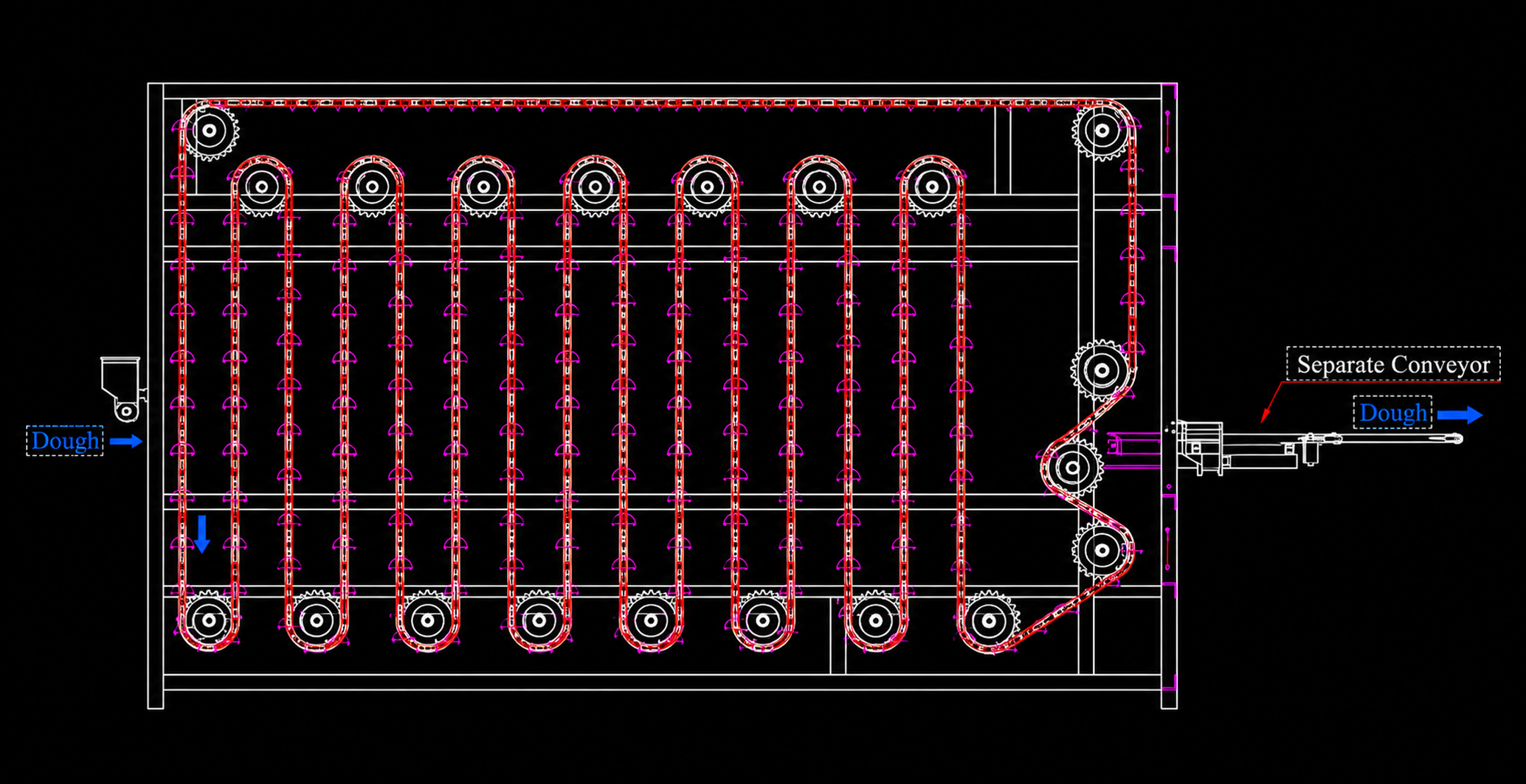
Henrick Low •
Sep 30, 2026 •
5 minutes read
Case Study: Designing a T-Shaped Intermediate Proofer for a Space-Constrained Bakery in Sri Lanka
A customized T-shaped intermediate proofer developed for a Sri Lankan bakery to automate proofing within limited installation space.
Read
Henrick Low •
Sep 29, 2026 •
5 minutes read
Case Study: Customizing Bakery Machinery for Easier Operation and Flexible Servicing in Taiwan
A Taiwan case study on customizing a machine's control system around the customer's operational and servicing requirements.
Read